


The Key Questions Intercom Customers Care About (Part 8): What Channels Support Customer Service?
In the process of assisting enterprises with Intercom deployment, we also actively collect and summarize common user questions. Among them, one of the most frequently asked questions is: What channels does Intercom support for communicating with customers?
In actual operations, if customer service channels are scattered across different systems—such as Messenger, Email, Phone, WhatsApp, Instagram, Facebook, and SMS—teams have to constantly switch between platforms. This not only increases the workload for customer service agents but also leads to the loss of conversation context, affecting the overall customer experience. More critically, inconsistent service standards may result in customer churn and damage to brand reputation.
This article will introduce how Intercom, through an omnichannel platform, unifies all these channels into one workspace—helping businesses engage with customers through their preferred communication methods and consistently deliver efficient, personalized customer service experiences.
Customer Pain Points
In the financial services industry, if the customer support system’s AI capabilities do not cover all channels, the user experience can be severely impacted. For example, a customer may inquire about a credit card statement via in-app chat, then follow up by phone, and later submit supporting documents via Email. If these channels are disconnected, agents will struggle to quickly piece together the full context, leading to repetitive questioning, delayed processing, and potential doubts about the institution’s professionalism and credibility.
Furthermore, if AI cannot unify and analyze inquiry data from WhatsApp, SMS, Facebook, or Instagram, financial institutions will be unable to accurately capture real customer needs and potential risks. For example, they may miss identifying common issues in loan applications or fail to detect which investment products are attracting more interest among younger audiences. This not only leads to missed opportunities for improving services and product design but can also weaken customer trust, ultimately affecting business growth and long-term relationships.
Omnichannel Coverage — All Communication Channels in One Connected Platform
To help more enterprises better serve global customers, Intercom brings together Email, Live Chat, Phone, SMS, and popular social channels such as WhatsApp, Facebook, and Instagram into one connected platform.
In this way, support teams can manage all conversations and touchpoints in a single workspace, gaining a complete view of customer communications while maintaining a consistent and personalized experience across channels—achieving true omnichannel coverage.
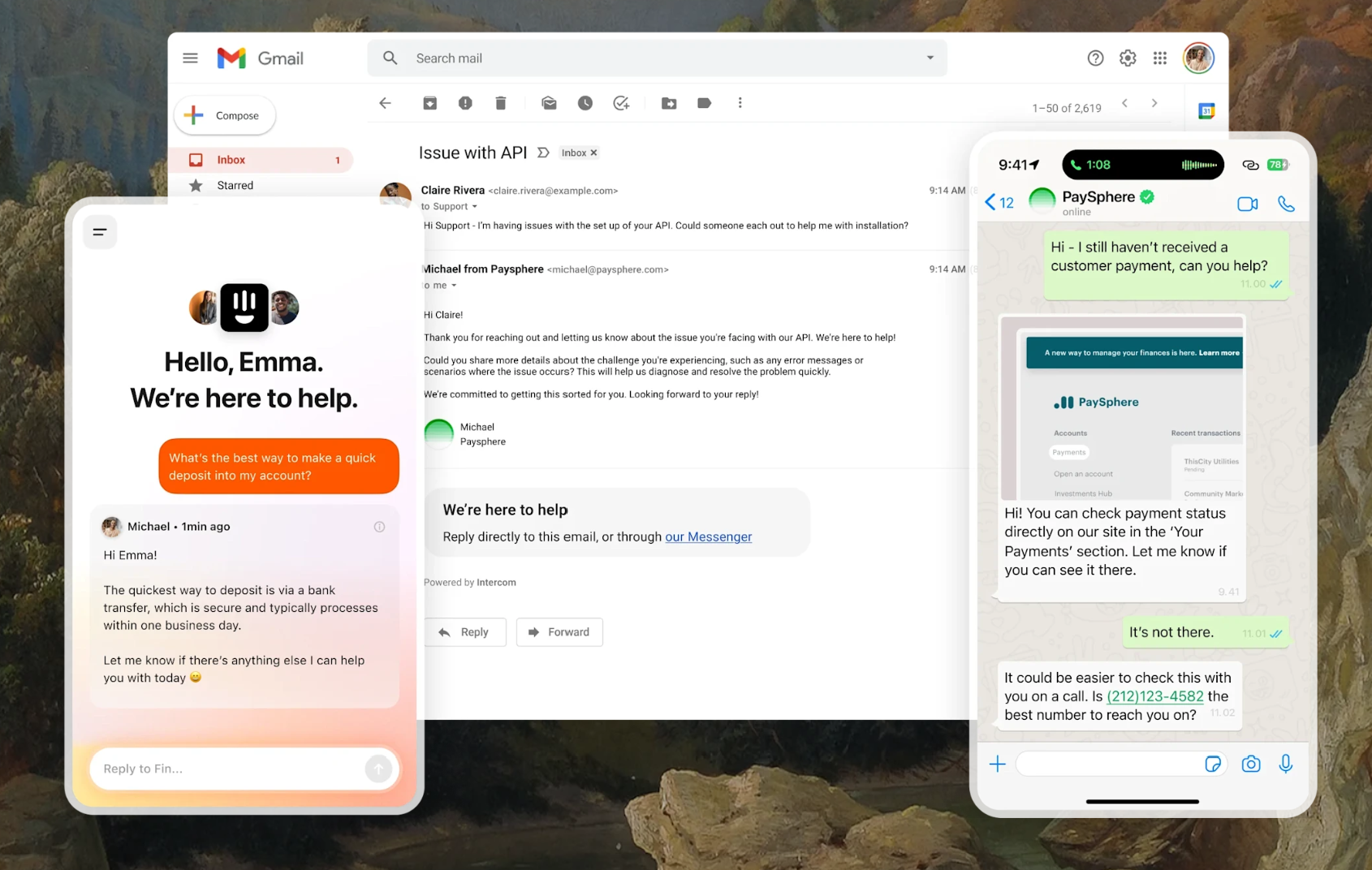
1. Email Support: Maintaining a High-Quality Experience
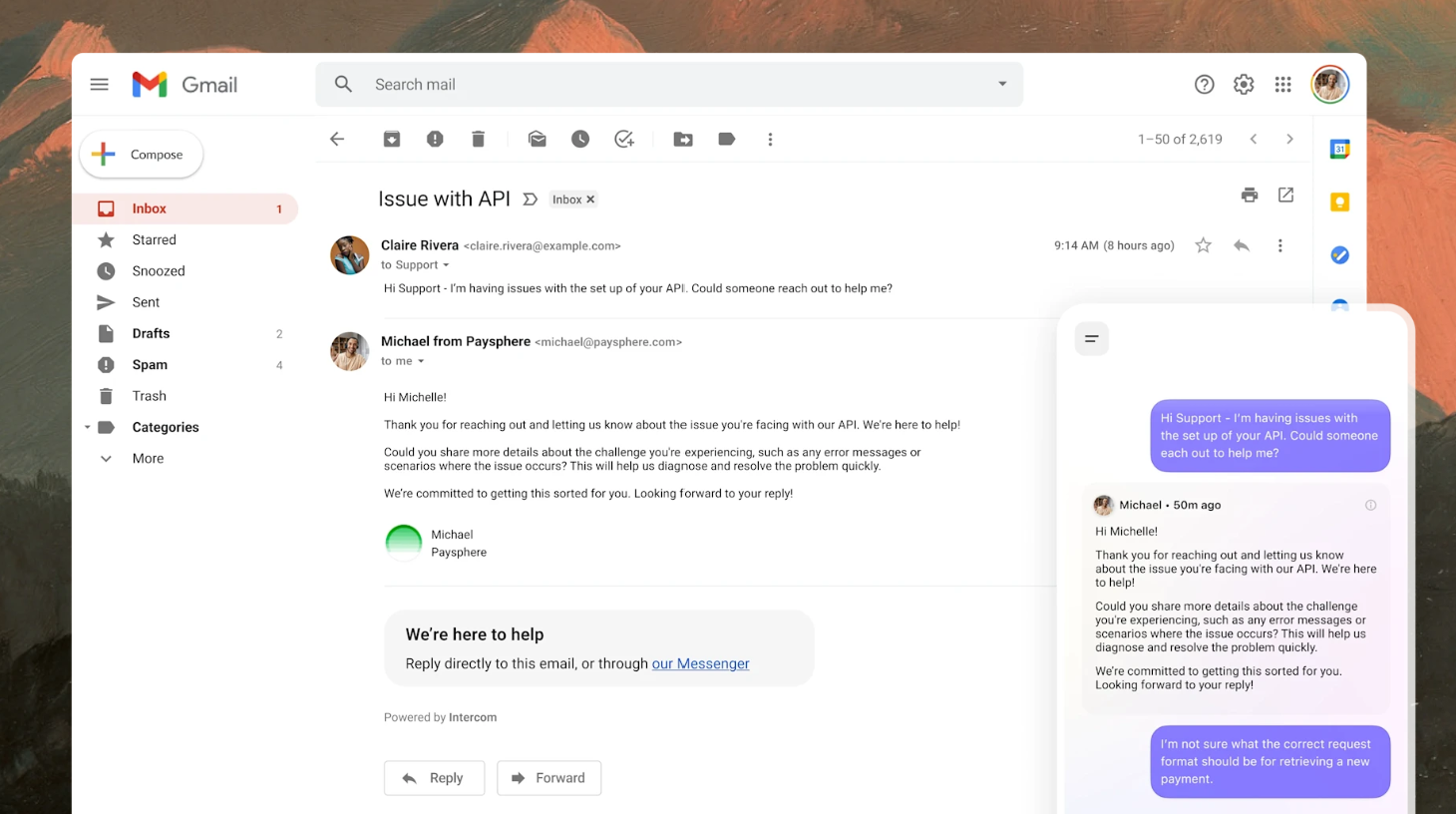
Intercom makes email support more efficient and brand-consistent. You can easily forward existing support inboxes and manage multiple domains and brand accounts centrally—handling all emails within one platform. By assigning brand logos and setting custom signatures, each outgoing email reflects your brand’s unique identity.
Additionally, you can seamlessly transition live chat conversations into Email, allowing customers to continue discussions at the right time. With built-in performance monitoring, you can track key metrics and customer satisfaction (CSAT) in real time, ensuring the Email channel consistently delivers a high-quality support experience.
2. Phone Support: Unified Calls and Intelligent Collaboration
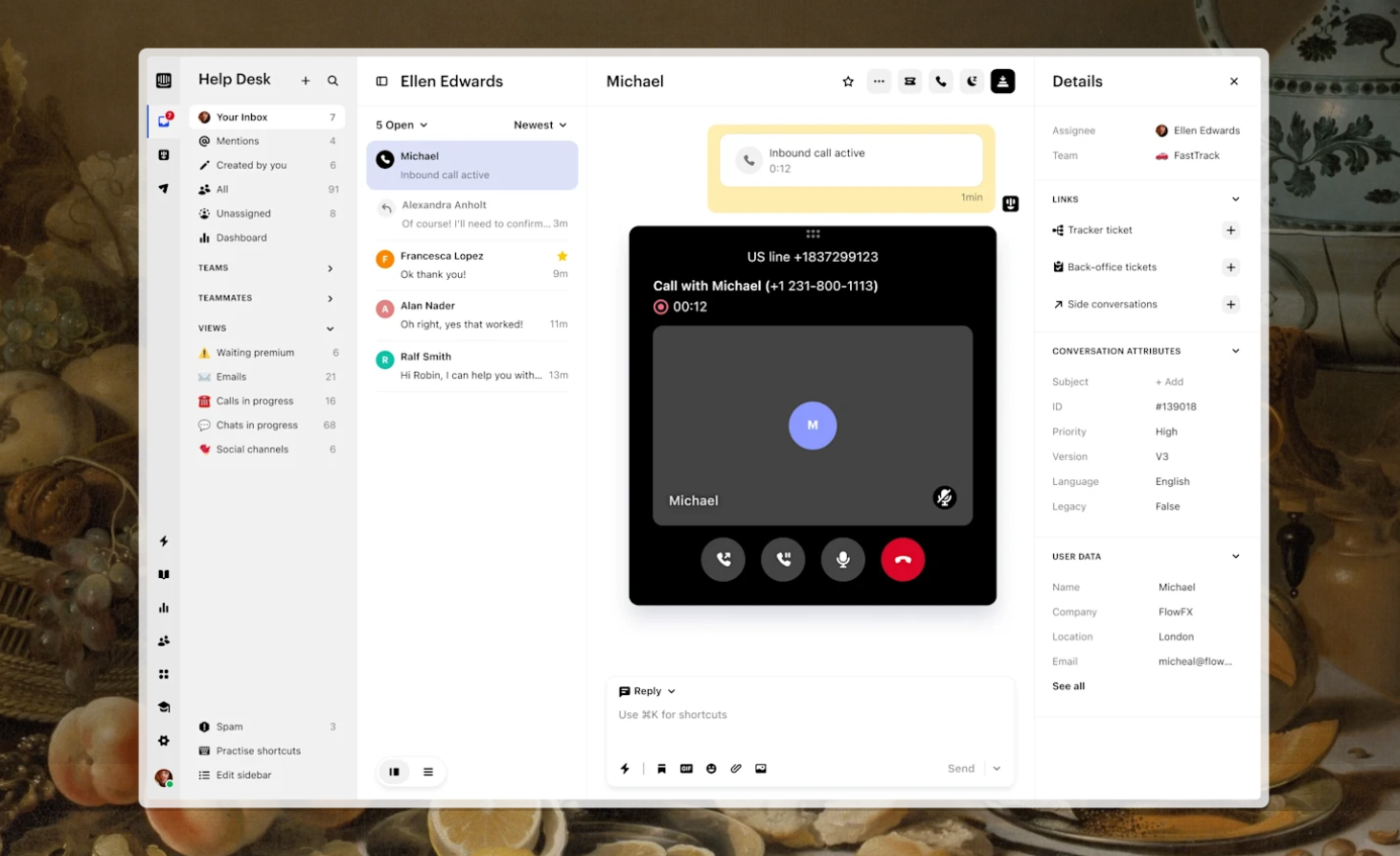
Intercom integrates phone support with modern communication tools, enabling teams to resolve customer issues faster and more effectively. Whether it’s voice calls, video calls, or screen sharing, everything can be done within the same platform, helping agents better understand customer needs.
With a no-code customizable IVR (Interactive Voice Response) tree, businesses can easily implement call routing, auto-assignment, and task automation, significantly reducing wait times and improving efficiency. Agents can also answer calls directly within the inbox, preserving context and enabling faster responses.
At the same time, outbound calls are supported for follow-ups or more personalized service, with global coverage capabilities. You can even apply for new local or toll-free numbers directly in Intercom, or continue using existing ones, ensuring seamless workflow integration.
3. Messenger Live Chat: Personalized Conversations Anytime, Anywhere
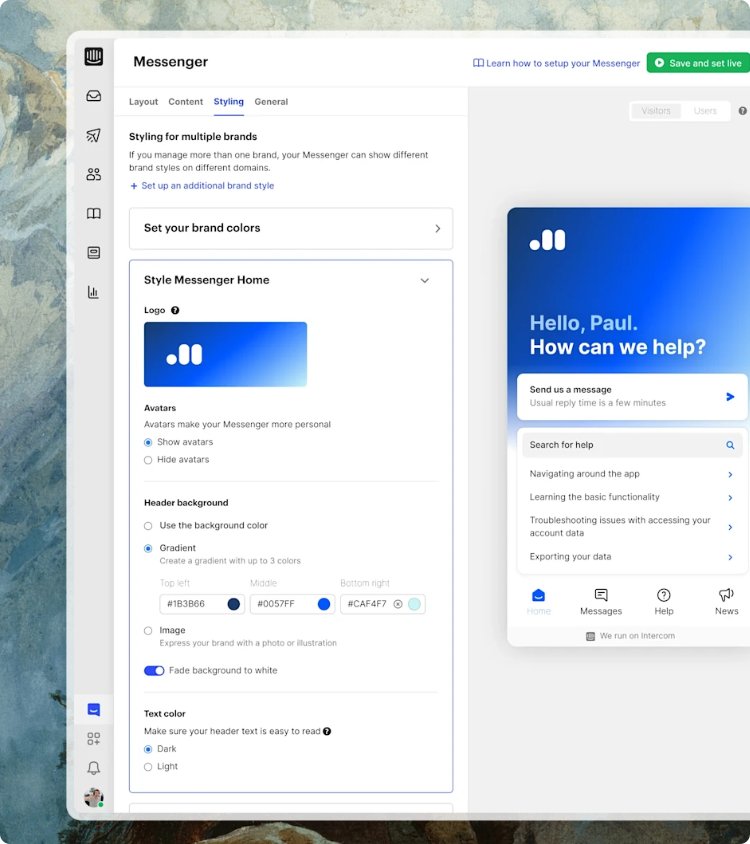
With Intercom’s best-in-class Messenger, you can provide personalized, contextual, and brand-aligned real-time chat support within your product, application, or website.
Messenger is fully customizable, ensuring that no matter where your customers are, their experience remains consistent with your brand. You can also use built-in self-service apps to provide help articles, product updates, and more, enabling customers to quickly find what they need without starting a conversation.
In addition, Messenger supports multiple brands and languages, covering 45 languages worldwide to ensure a consistent and high-quality support experience across regions.
4. WhatsApp Support: Seamlessly Connect with Global Customers
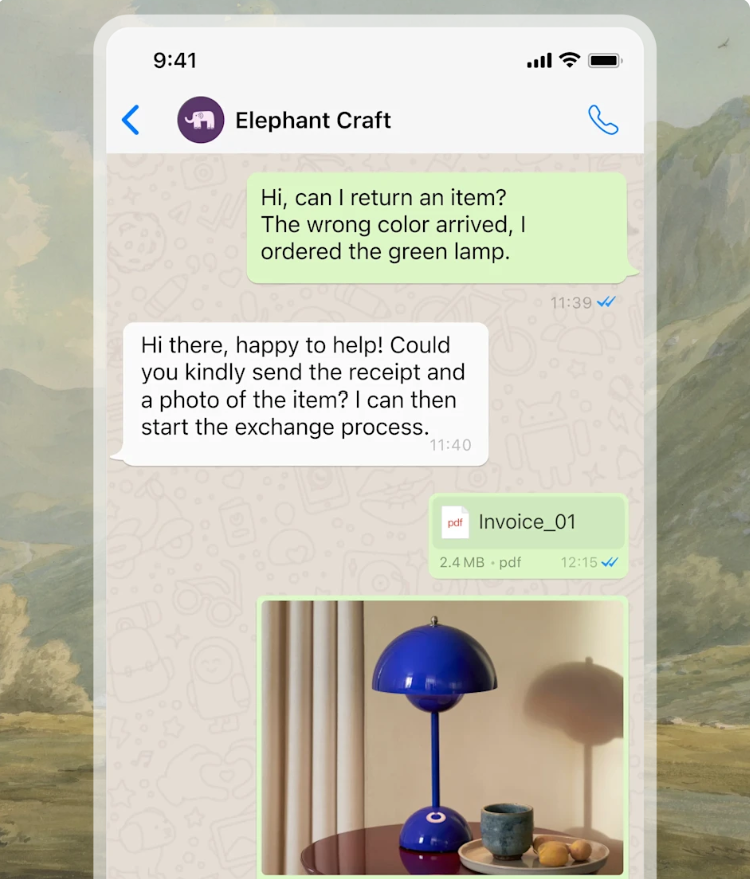
With Intercom, you can offer modern support through the world’s most popular messaging app—expanding your brand’s global presence.
By integrating and managing all WhatsApp Business accounts in one workspace, you can ensure that no customer message is missed. Agents can send and receive images, attachments, and other files directly from the inbox, maintaining complete context for faster, more efficient issue resolution.
Additionally, you can capture customer satisfaction (CSAT) directly within WhatsApp and compare it with other channels to continuously enhance customer experience.
5. SMS and Social Media Support: Effortless Interaction on Customers’ Favorite Apps
With Intercom, you can deliver seamless communication experiences through the apps your customers use daily.
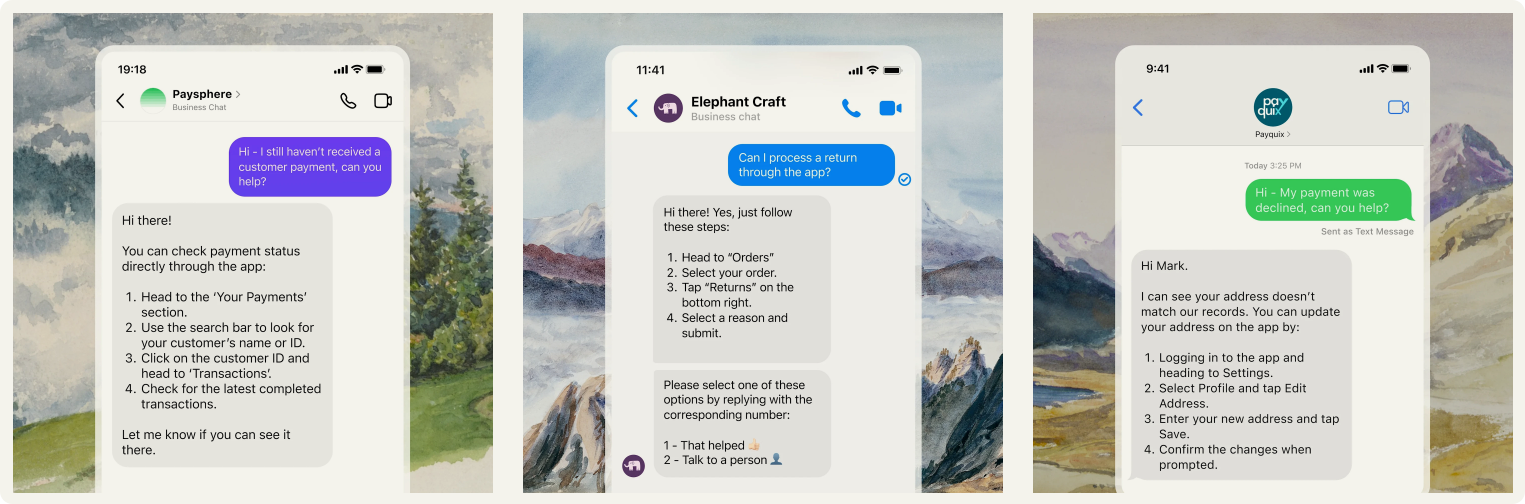
- On Instagram, reply directly from Intercom to DMs, story interactions, and mentions, using rich media content—from emojis to images—to create personalized engagement.
- On Facebook, all direct messages are automatically routed to your inbox, allowing customers to easily access support and maintain consistent communication.
- Through SMS functionality, you can send and receive text messages in 45 languages, enabling real-time conversational support and ensuring customers get efficient help through their most familiar channels.
Unified Omnichannel Customer Service: Consistent, Personalized, and High-Quality Support
By integrating multiple channels into a single platform, Intercom achieves true omnichannel customer service. No matter where your customers are, your support team can manage all conversations in one unified workspace—maintaining complete communication records while delivering consistent, personalized, and high-quality service at every touchpoint.
From live chat and automated message routing to branded interfaces and multilingual support, Intercom empowers support teams to work more efficiently while enabling customers to receive timely assistance anytime, anywhere. Through this omnichannel approach, your business can enhance customer experience, strengthen brand influence, and stand out in a competitive market.